Global Britain Becoming Galactic Britain
The global space economy is projected to reach £490 billion by 2030, and the UK is taking a leading role in it. In fact, the British space sector is one of the country’s fastest-growing areas, representing particular significance to national security, economy and, increasingly, everyday life. Britain offers exciting opportunities for employment and investment across its space sector, which is currently worth over £17.5 billion per year and employs circa 48,000 people.

Boost For Space Clusters Across The UK
Ten regional ‘hubs’ – also known as ‘space clusters’ – situated across the UK have been given a welcome financial boost, thanks to funding from the UK Space Agency.
The national space strategy sets out a vision for ensuring that the country has a thriving, resilient, and well-connected space ecosystem.
There are an increasing number of launch sites being built in the UK.
Five new sites will be built
in Scotland, with others in Cornwall and Snowdonia. The sites will have varying capacities for vertical launches (a rocket taking off while standing upright) and horizontal launches (the rocket is carried under the wing of an aircraft).

Growing Demand
Some of the key areas driving investment and innovation in the space economy in the UK include security, climate change and telecommunications. As such, there is huge demand and potential for engineering, exploration and innovation beyond the confines of planet Earth. Several high-profile space launches are in the pipeline for this coming year.
As competition increases and the world wakes up to the UK’s huge potential in this exciting arena, so the hunger increases to succeed and put UK space innovation firmly on the map. Start-ups are quickly gaining traction in the space sector, thanks to wider access to potential funding from investors than ever before. This is driving even more demand for high-quality materials across the industry.
High Quality, Precision Materials
One thing that all ambitious space innovations and technologies have in common is the need for high-quality, precision materials that deliver essential properties, including excellent durability in hostile conditions and zero maintenance requirements. In many cases, materials must withstand being used in space projects for decades without becoming compromised.
Durable Tubes For Deep Space Exploration
Components must also have the capacity to be used multiple times, to keep their costs as competitive as possible. The materials used in their creation must deliver the highest levels of performance during deep space exploration. When dealing with high-profile, high-stakes missions, it is imperative that products do not fail. The more technically advanced the project, the more vital this becomes.
Fine Tubes has worked on several ground-breaking space projects and offers unique metallurgical capabilities, process control, and engineering expertise to meet stringent customer design requirements. For example, the business was chosen to supply specialist seamless titanium tubes for the chemical propulsion system for the
Solar Orbiter mission.
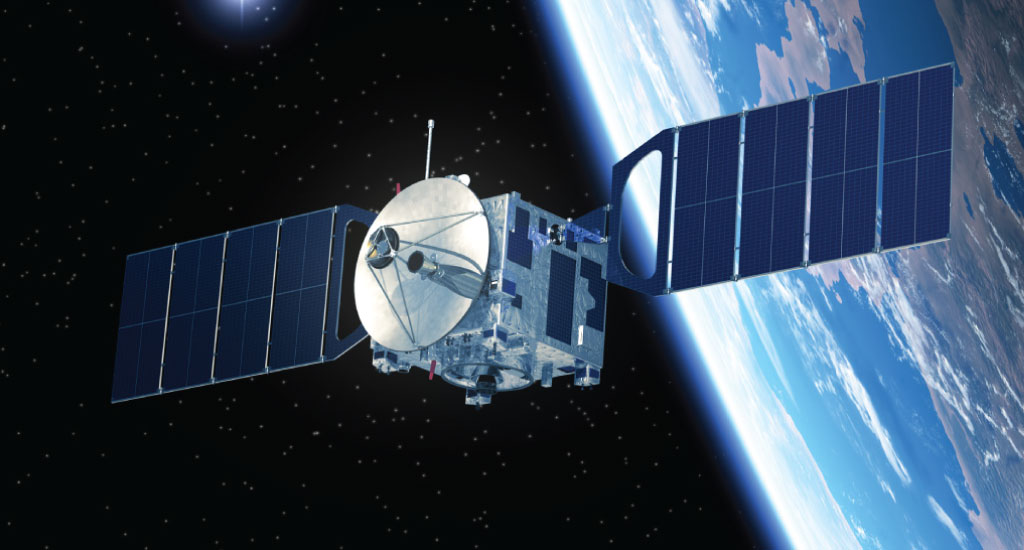
The Solar Orbiter
is the most complex scientific laboratory to have ever been sent to capture images of the sun and observe the solar wind and polar regions. Fine Tubes was able to exceed the exact requirements for quality, cleanliness, and temperature resistance that this pioneering mission demanded.
Reduced Fuel Consumption
Achieving substantial weight savings is also extremely important to Fine Tubes’ space customers, especially at the point of launch. The heavier a system is, the more fuel is needed to physically launch it into orbit, which can substantially increase the mission’s overall cost.
Conversely, the more lightweight the tubes and other components are, the less fuel will be required to get the system successfully and efficiently off the ground. However, the materials used must still be robust enough to withstand the extreme pressure and temperatures associated with being sent into space. This is where the high-strength precision tubing specified by the customer delivers the desired performance and subsequent cost savings.
Beyond Space Miniaturisation
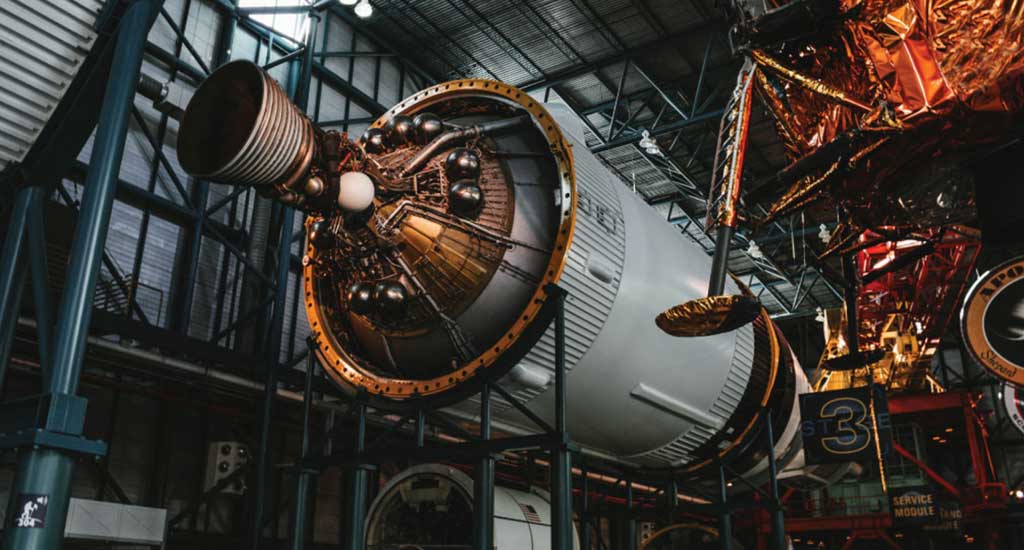
Next-generation development has shifted to smaller technologies such as microsatellites that rely on miniaturisation to perform. Lightweight, high-strength materials enable the evolution towards smaller components and allow design engineers to continue miniaturising the sizes of their space applications.
Miniaturised systems economise on mass, accelerate production schedules, and increase the flexibility of space missions. Fine Tubes is driving the leap forward in the reduction of the size and weight of space components with precision-engineered tubes in lightweight alloys such as titanium.
Quality To Last Beyond The Stars
So, where does Fine Tubes fit into the future of space exploration? According to
Stuart Griffiths, Product Manager at Fine Tubes, the manufacturer has a strong future ahead of it and is positioned at the cutting edge of UK space technology and innovation:
“The space sector is as fast-moving as it is exciting to be a part of. We’re proud that our highly engineered tubes operate in innovative space exploration applications and enable the advancement of next-generation programmes. We look forward to working closely with our customers in the months and years ahead, and to playing our part in helping them deliver mission success.”